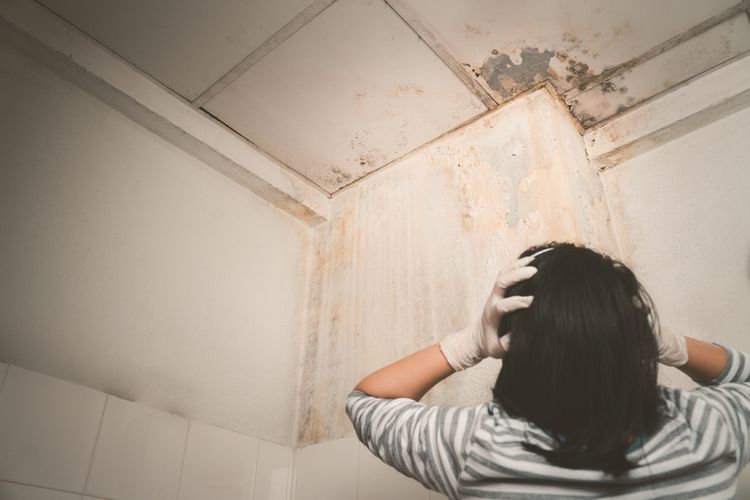
Water damage is stressful enough before you add the insurance paperwork. A burst pipe or overflow in your Salt Lake City home starts a clock on both the cleanup and the claim. How you handle those first steps shapes how much your policy pays. This guide walks a Utah homeowner through filing a water damage insurance claim the right way.
Key Takeaways
- ›Sudden, accidental water damage is usually covered; gradual leaks and neglect often are not.
- ›Document everything before you clean up, because photos are the backbone of your claim.
- ›Fast mitigation is required by most policies and protects both your home and your payout.
What Water Damage Does Insurance Cover in Utah?
Not all water damage is treated the same by insurers. The cause is what decides coverage. Knowing the difference helps you set expectations.
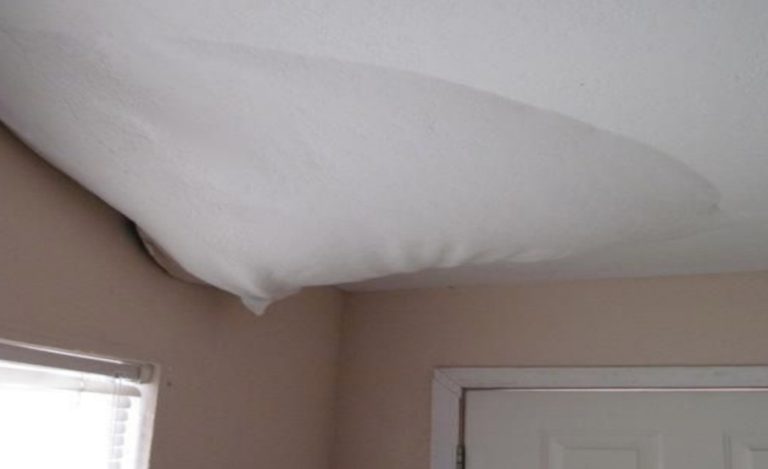
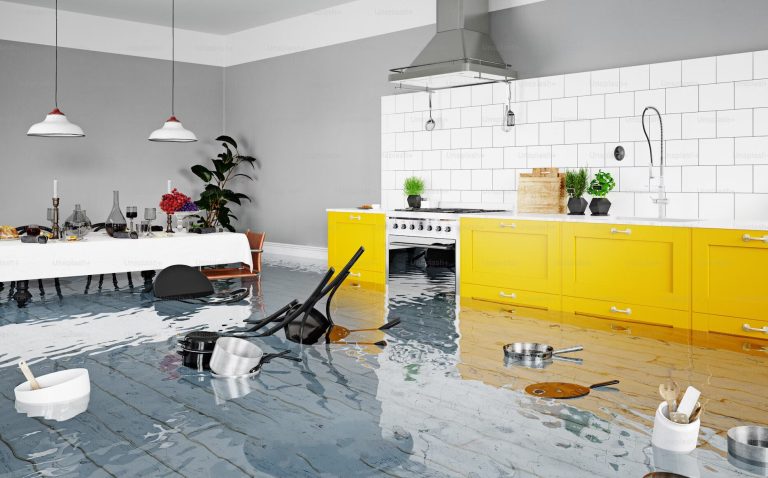
Most Utah homeowners policies cover sudden, accidental events. A burst pipe, an overflowing appliance, or a storm-driven leak usually qualifies. Gradual damage from a long-ignored leak is often denied as neglect. Flooding from outside generally needs separate coverage through the National Flood Insurance Program.
Step-by-Step: Filing Your Claim
A calm, orderly process protects your home and your claim. Work through these steps in order. Each one strengthens your position with the insurer.
1. Stop the Water and Prevent More Damage
Shut off the water source to stop the flow. Most policies require you to prevent further damage once you know about it. Move valuables and soak up standing water where you safely can.
2. Document Everything First
Photograph and video all the damage before you clean or throw anything out. Capture the source, the standing water, and every affected room. This record is the heart of your claim.
3. Call Your Insurer Promptly
Report the loss as soon as the home is safe. Ask about your coverage, deductible, and the claim timeline. The Utah Insurance Department offers home claim guidance for policyholders.
4. Work With the Adjuster
An adjuster will inspect the damage to set the payout. Share your photos, receipts, and any restoration estimates. Keep a written log of every call and visit.
Mistakes That Can Hurt Your Claim
A few common errors shrink or sink a valid claim. Avoiding them keeps your payout on track. Watch out for these missteps.
Do not throw out damaged items before the adjuster sees them. Do not delay the claim, since late reporting invites denial. Avoid DIY repairs that hide the cause of the loss. The NAIC advises keeping detailed records of the damage and your expenses.
How a Restoration Company Helps Your Claim
A good restoration partner does more than dry your home. They also support the claim from the start. That coordination often means a smoother payout.
Crews document the damage in the detail an insurer expects. They start mitigation fast to meet your policy’s requirements. Many, including Superior Disaster Cleanup, can bill your insurer directly. Our guide on the warning signs of water damage helps you catch a loss early.
Know Your Policy Before Disaster Strikes
The best time to understand your coverage is before a loss. Read your homeowners policy for water damage limits and exclusions. Check whether you carry separate flood or sump-pump backup coverage. Note your deductible and the claim reporting deadline. Keep a simple home inventory with photos of your valuables. A quick review now prevents an unpleasant surprise during a Salt Lake City claim.
Frequently Asked Questions
1.Is it worth filing an insurance claim for water damage?
2.What should you not say to an insurance adjuster?
3.Will my premium go up after a water damage claim?
4.How do I get the most from my water damage claim?
Turn Your Utah Claim Into a Fast Recovery
A water damage claim goes best when you act fast and document everything. Stop the water, capture the evidence, and report the loss promptly to your insurer. The right restoration partner keeps both the cleanup and the paperwork moving. When water hits your Salt Lake City home, reach out to Superior Disaster Cleanup for cleanup and claim support.